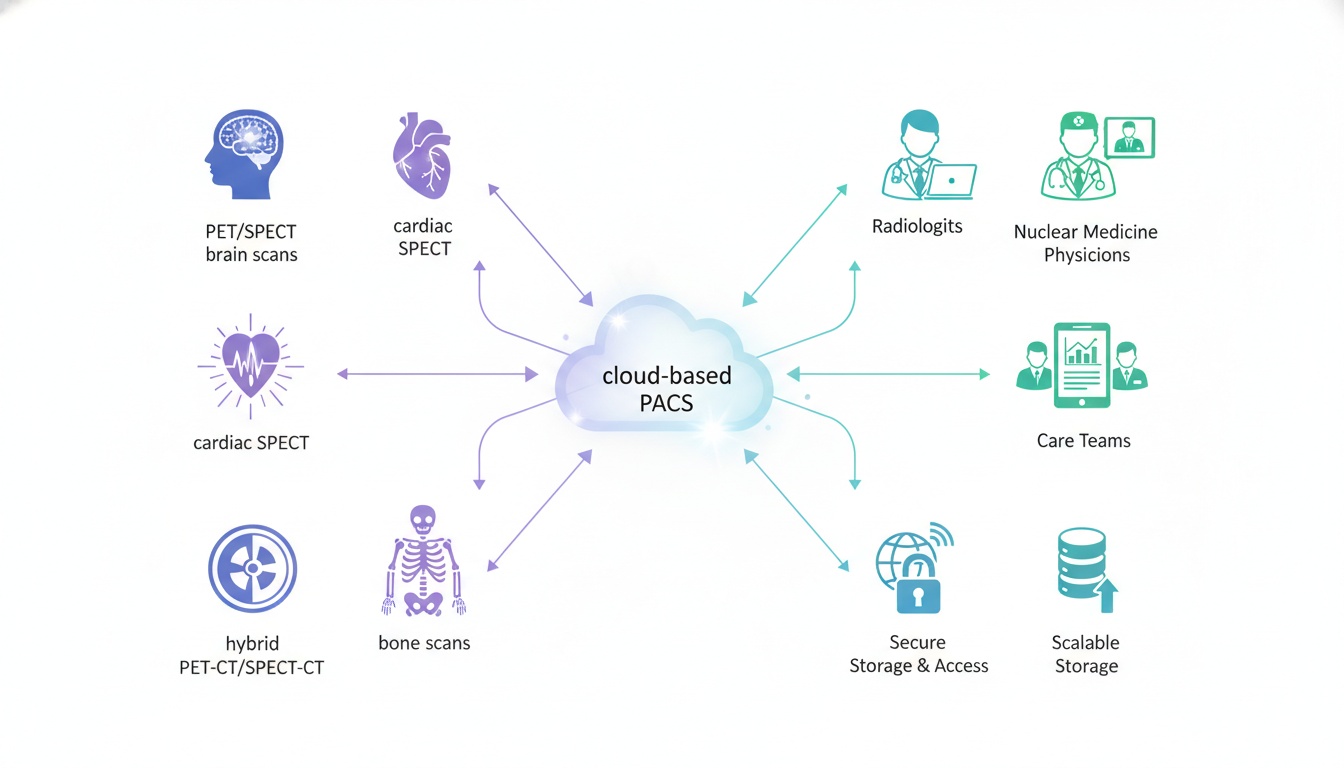
Nuclear medicine departments handle complicated imaging studies like PET, SPECT, PET-CT and SPECT-CT. These studies also frequently require secure storage, quick access, sophisticated visualization and seamless collaboration among nuclear medicine physicians, radiologists, referring physicians and other care providers. A cloud-based PACS can modernize this workflow by bringing image storage, access and sharing online, into a secure web-based environment.
Useful for nuclear medicine is a cloud-based PACS that enables imaging teams to securely store, view, retrieve, and share PET, SPECT, and hybrid imaging studies, rather than relying solely on the local server or use of physical media. It enables remote access, multi-location collaboration, scalable image storage and facilitates easier sharing with authorized users.
A cloud PACS may alleviate infrastructure burden and enhance access for imaging data in clinical workflows for large or complex nuclear medicine departments.
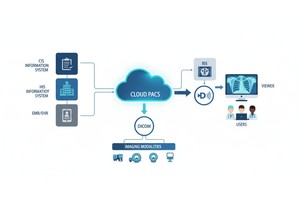
Cloud-based PACS is an imaging software that integrates DICOM studies to the cloud and handles them in addition to on-premise servers. It can be used to aid imaging procedures such as PET, SPECT, PET-CT, SPECT-CT, nuclear cardiology, MUGA, renal, gallbladder, and other functional imaging tests.
In many ways, nuclear medicine workflows differ from many conventional imaging workflows due to the use of functional imaging, the incorporation of anatomical and metabolic information in a hybrid manner, time-dependent image sequences and comparisons with previous studies. As a result, departments require more than a simple storage solution. They require access, archiving, sharing and viewing tools that enable clinical workflow efficiency.
In addition to CT and MRI, nuclear medicine studies are also examined in conjunction with laboratory test results, patient history and previous imaging tests. Without easy access to images, or the ability to share them, the workflow slows down and becomes reliant on local workstations, CDs, DVDs, or manual transfers.
A cloud-based PACS can be a valuable boon for nuclear medicine teams by enabling them to support:
• Centralized Storage For Pet, Spect, And Hybrid Imaging Studies
• Browser-based Access For Authorized Users
• Easier Review Across Departments Or Locations
• Secure Sharing With Referring Physicians And Specialists
• Scalable Storage As Imaging Volume Grows
• Better Continuity Planning Through Cloud-based Archiving
This is particularly useful for hospitals, imaging centers and specialty clinics that conduct studies at multiple sites or work with outside care teams.
| Area | Traditional On-Premise PACS | Cloud-Based PACS |
| Storage | Depends on local servers and hardware capacity | Scales more easily as imaging volume grows |
| Access | Often tied to facility networks or configured workstations | Enables secure browser-based access for authorized users |
| Sharing | May require CDs, DVDs, VPNs, or manual exports | Supports digital sharing workflows |
| Maintenance | Requires local server upgrades, backups, and IT support | Reduces dependence on local infrastructure |
| Multi-location workflow | Can be complex to manage across sites | Better suited for distributed imaging teams |
| Continuity planning | Depends heavily on local backup strategy | Can support cloud-based archive and recovery planning |
Not all organizations will find cloud PACS the perfect fit. Selection will be dependent on imaging volume, security, IT resources, cost, compliance and the current hospital systems. For many nuclear medicine departments, though, the cloud provides a solution to some issues that PACS environments can make more difficult to handle.
A nuclear medicine cloud PACS should not be a place to store files. It should facilitate the uploading, reviewing, comparing, sharing and archiving of nuclear medicine studies.
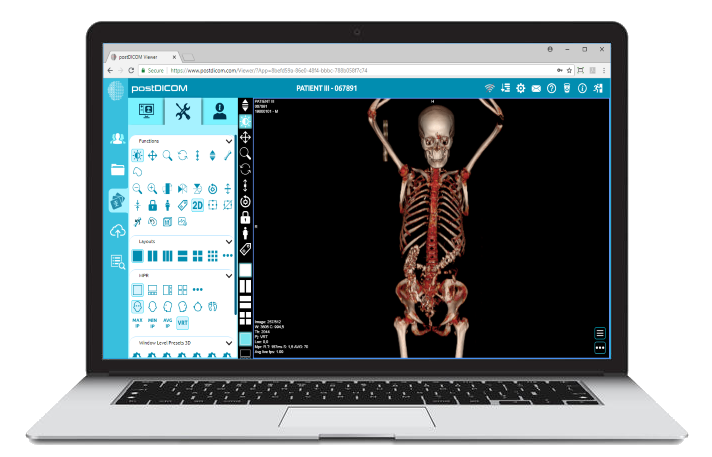
Key features are DICOM support, user permissions, role-based access, scalability, auditing, and web-viewing. The viewer experience is also critical when viewing PET, SPECT, and hybrid scans, as the clinician may require to review the cross-sectional images, fused images, and previous exams.
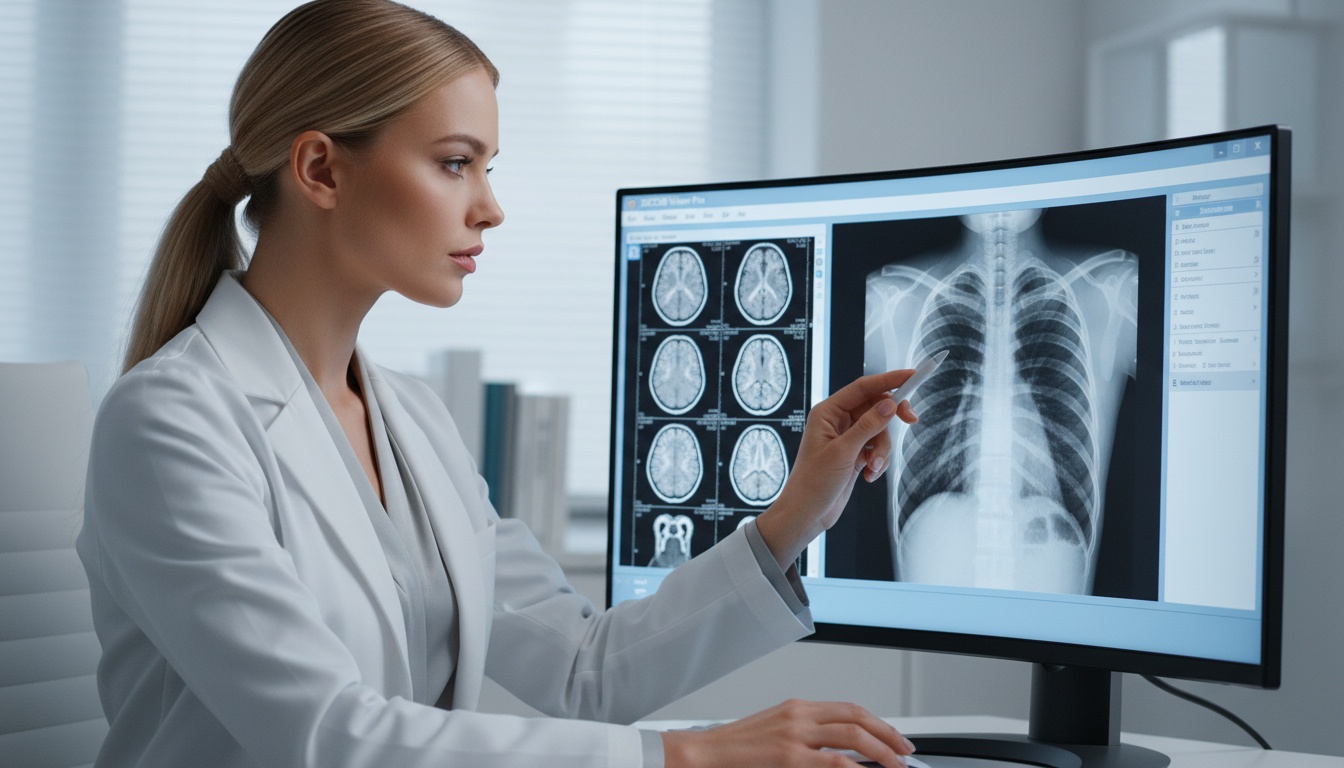
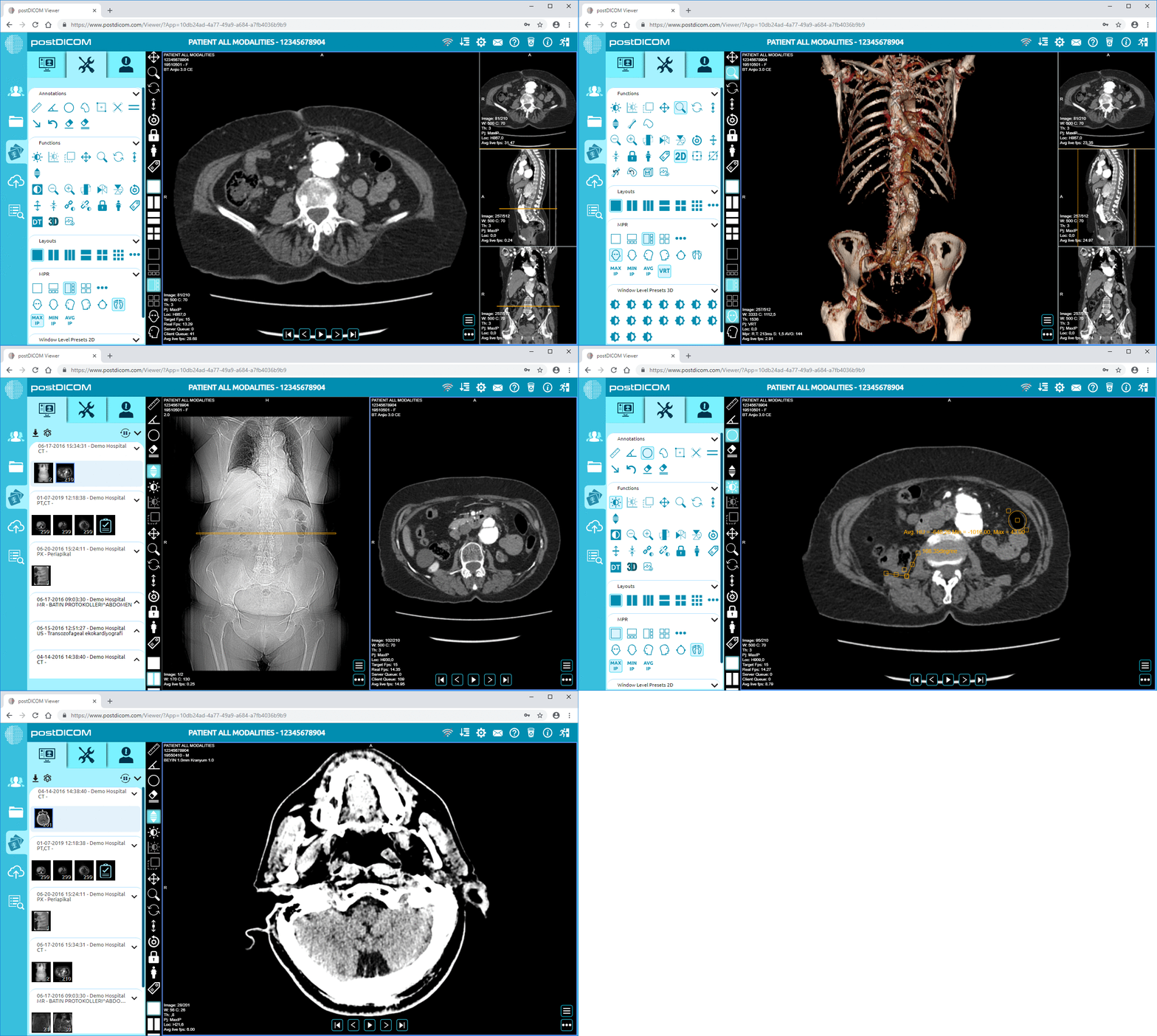
A Diagnostic DICOM Viewer is relevant here, because nuclear medicine teams require useful web-based tools to view and manipulate DICOM studies.
PET and PET-CT studies may be complex, with large data sets, fused functional-anatomical studies. Cloud PACS can be used to centrally store these studies, and retrieve them whenever a physician requires them, such as for follow-up comparison or for multi-disciplinary review.
SPECT and SPECT-CT studies might require comparison with previous scans, interpretation by multiple specialists and/or multiple review stations. Cloud-based access is one way to lessen reliance on a single physical site or machine.
Consistent access to studies across multiple locations is often desired in imaging centers that have multiple branches. A cloud PACS can help enable a centralized archive where authorized users at various locations will be able to pull studies without having to manually move them.
Nuclear medicine studies can be sent to referring physicians, oncologists, cardiologists, surgeons or patients. Secure medical image sharing can help eliminate the use of physical media, and provide easier access for authorized users.
 - Created by PostDICOM.jpg)
A typical workflow may look like this:
1. A Nuclear Medicine Modality Or Workstation Creates The Dicom Study.
2. The Study Is Sent Or Uploaded To The Cloud Pacs.
3. Authorized Users Access The Study Through A Secure Web Viewer.
4. Physicians Review The Images, Compare Prior Exams, And Prepare Findings.
5. The Study Is Shared With Approved Physicians, Specialists, Or Patients When Needed.
6. The Study Remains Archived For Future Comparison Or Follow-up.
For organizations connecting imaging devices or local systems to the cloud, PostDICOM’s Medical Device Communicator can support workflows where DICOM studies need to be transferred from imaging equipment, workstations, or existing PACS environments to PostDICOM Cloud PACS.
Nuclear medicine departments can modernize image management without adding all the features of storage, viewing and sharing locally with Cloud PACS.
The biggest advantages are increased accessibility, scalable storage, collaboration capabilities, decreased reliance on physical media, and pressure on local server resources. It can also be used for distributed teams which require access to studies from multiple locations but require controlled permissions.
For departments performing PET, SPECT, hybrid imaging and long term follow-up studies these benefits can help daily imaging operations to become more flexible and manageable.
In nuclear medicine, cloud-based PACS is a cloud-reliant solution that stores, accesses, views, and shares studies like PET, SPECT, PET-CT, and SPECT-CT. It enables authorized users to obtain imaging data via a secure Web-based environment.
In short, yes, cloud PACS can be used for PET and SPECT studies, provided that the cloud-based platform is optimized for DICOM imaging applications and also offers appropriate viewing and storage features. To ensure that the modalities are supported, departments should verify before implementation.
Yes. Multi-location imaging centers can benefit from Cloud PACS as it enables studies to be stored in one central location and accessed securely by authorized users at various locations.
Cloud PACS can make images more convenient to share than just with CDs or DVDs or by manual file transfer, by providing the option for authorized users to access studies digitally.
Cloud PACS can be secure if it comes with encryption, access control, user permissions, audit logs and proper compliance procedures. Before adopting a vendor, each healthcare organization should review the vendor's security and privacy documentation.
|
Cloud PACS and Online DICOM ViewerUpload DICOM images and clinical documents to PostDICOM servers. Store, view, collaborate, and share your medical imaging files. |